

A recap of the Rivalry Rewired panel at 49ers House exploring how women’s sports are redefining media, measurement, and community. Learn why attention, engagement, and modern distribution matter more than scale.

This isn't a category "on the rise." it's a fundamentally different market, with its own rules for brands, media owners, and communities.
The panel, moderated by Will Lee, CEO of Adweek, featured Odessa Jenkins, Founder of the Women’s National Football Conference; Kristal Southern, President of The Gridiron C.R.I.B.; and Laura Bromwich, EVP of National Sales at Equativ. They dug into what it really takes to grow audiences, keep them engaged, and make brand investment matter in this fast-evolving space.
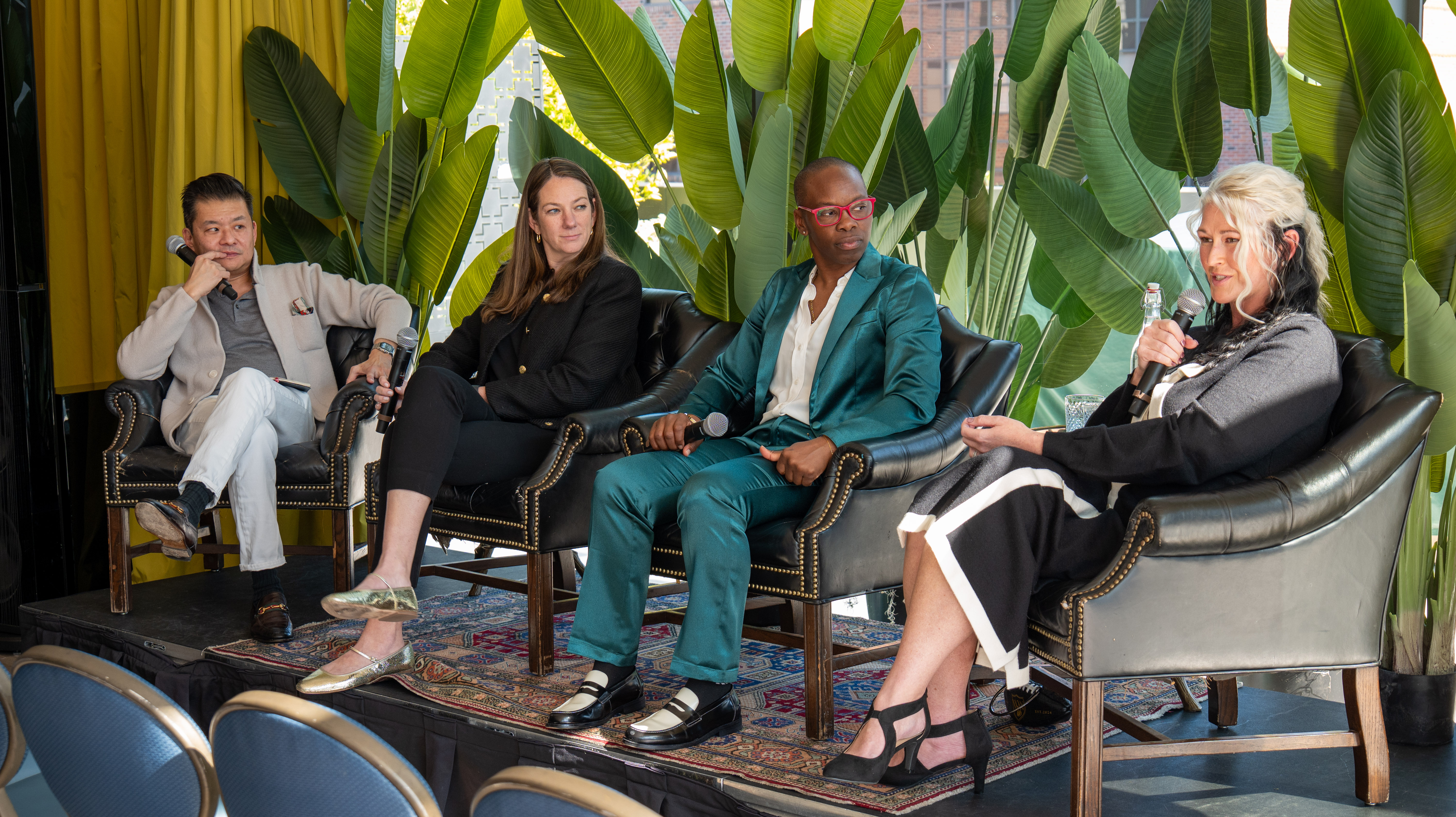
For decades, sports media buying has been obsessed with size - the biggest broadcast, the largest audience, the tentpole events. Women's sports don't always compete on raw reach with men's leagues, and that's often why budgets stall.
But reach isn’t the same as attention. Women’s sports increasingly draw fans who are emotionally invested, community-oriented, and more inclined to see brand support as a reflection of shared values. That dynamic shifts the economics, where even a smaller audience can deliver outsized outcomes when media is planned for engagement, not just exposure.
"When you look at women's sports, the scale isn't the same as men's sports, and that's just a fact," said Laura Bromwich. "However, what is often forgotten is the attention of the fans, the outcomes it drives, and the purchasing power it really represents for your brand."
This is where framing really matter. Women's sports isn't "emerging." It's here and asking brands to move, but to move differently. Because the strongest metric isn't reach alone, but how deeply it resonates with the audience behind the numbers.
Several speakers highlighted a rare market dynamic in women's sports marketing: cultural relevance is rising faster than media pricing. That gap creates opportunity for brands. In many mainstream sports, sponsorship ecosystems are crowded, differentiation is difficult, and the cost of entry is steep. In women's sports, brands can still earn first-mover memory efficiently, especially across digital channels where pricing has not yet caught up with demand.
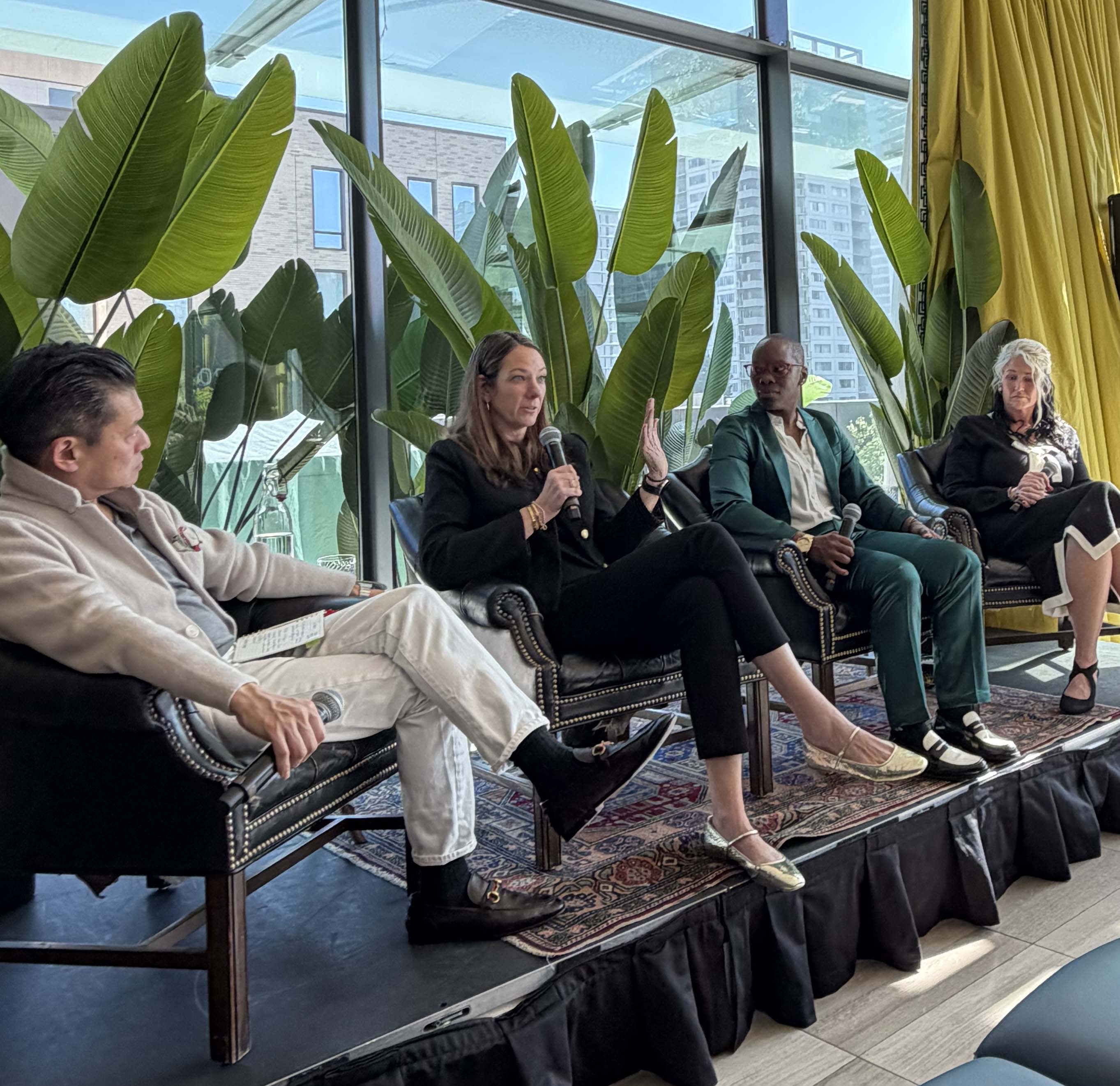
"Brands often ask how to be first to market," said Laura Bromwich. "This is such a great advantage right now because pricing from a digital standpoint isn't extremely high."
This isn't a moral argument, even though values matter. It's a commercial one. Brands that invest early can build distinctive equity at a discount.
A recurring theme in the discussion was that community isn’t optional —it’s a core growth engine. Women’s sports is being built from the ground up through grassroots leagues, athlete-led stories, and local ecosystems that turn parents, players, and fans into true advocates. That means brands aren’t just sponsoring teams or events, they’re stepping into communities that remember who showed up early and build lasting trust.
In a world where consumers are increasingly numb to generic advertising, community remains one of the few places marketing still feels earned. Brands should view women’s sports not as a placement, but as a platform for genuine connection.
The roadmap discussed was notably modern: CTV, audio, podcasts, social, and athlete-driven channels. Not because broadcast is irrelevant, but because consumption has fragmented. Women’s sports are scaling in a media environment where fans don’t show up in one place at one time.
Many traditional plans break here: a brand buys a sponsorship, runs a few social posts, and expects momentum. But true momentum requires distribution that mirrors audience behavior:
The opportunity isn't to force audiences into an old advertising world. It’s to build a media system that fits how fans actually engage.
Women's sports also challenge the way brands measure success. TV ratings still get headlines, but they’re no longer the full story. The real impact comes from looking at the entire ecosystem: participation growth, community engagement, cross-platform attention, social amplification, and downstream outcomes like brand lift, consideration, and purchase behavior.
Brands that win here aren’t the loudest. They’re the ones connecting exposure to real results while earning trust along the way.
Women's sports aren't asking to be treated like men’s sports on a smaller scale. They’re asking to be recognized for what they are - a fast-growing attention economy built on community, identity, and cultural momentum.
For brands, the question isn’t whether women’s sports are “big enough.” It’s whether your media strategy is modern enough to match a market where attention is deep, loyalty is earned, and the playbook is still being written.
This isn’t an emerging moment - it’s a new operating system.
Check out the full session replay below:

Summary
As Senior Director of Marketing and Communications at Equativ, Amy leads the company’s owned content, social media, and public relations strategies. Collaborating with stakeholders across the organization, she writes on topics ranging from Equativ’s product innovations to broader industry trends.
The End-to-End Media Platform Powering Attention, Quality and Outcomes


