

Discover the playbook for 2026 sports advertising. Learn how to move from event-based buys to year-round fan engagement using data, CTV, and attention-winning creative.

How advertisers can plan for the packed 2026 sports calendar, build year-round fan engagement, and design creative that wins attention without disrupting the experience.
As brands look ahead to 2026, the sports landscape offers both unmatched opportunity and intense competition. With global events like the World Cup, the Olympics, and major league championships stacked back-to-back, competition for fan attention will be fierce. But success won't come from simply buying into big moments; it will depend on sustaining relevance in a world where fans are always on.
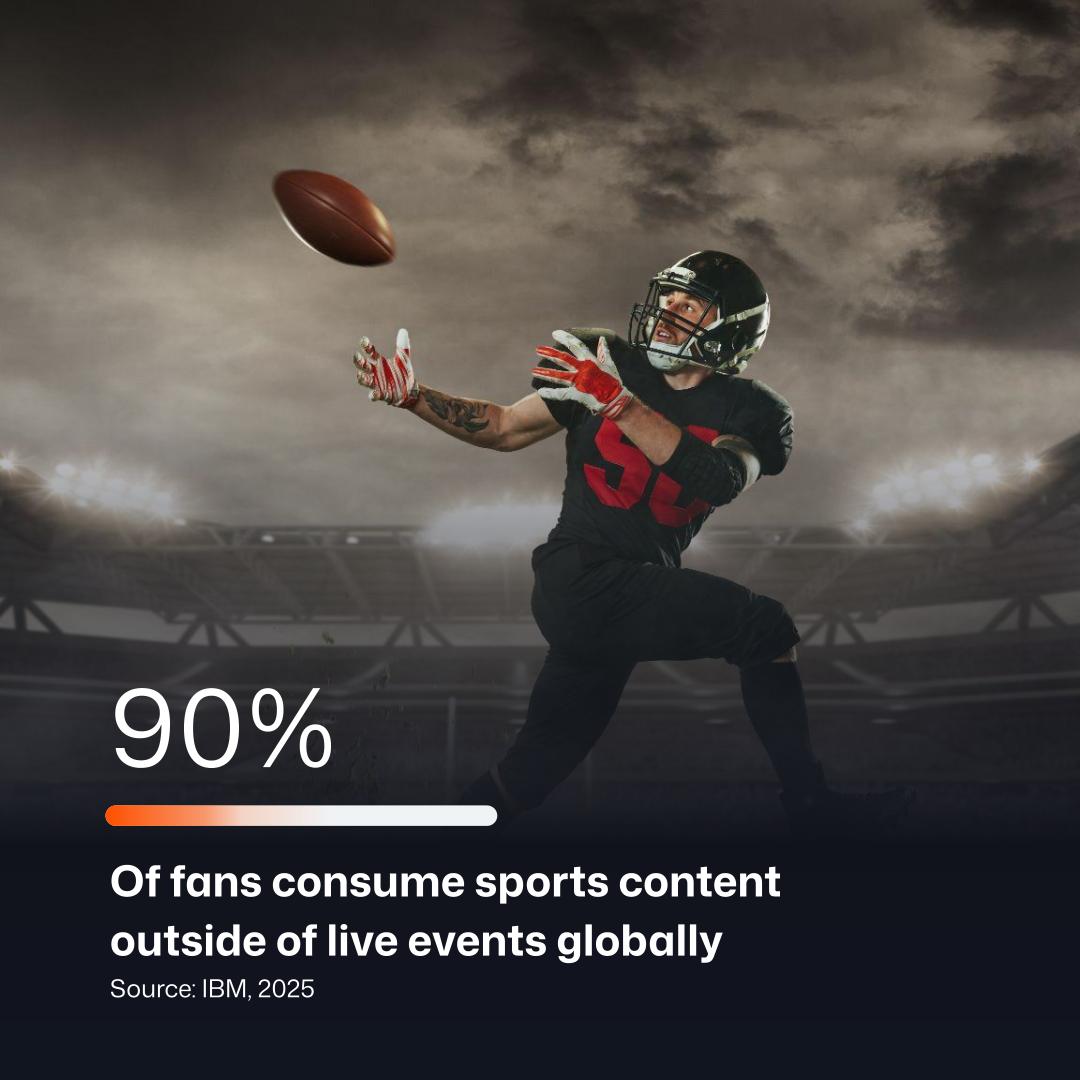
Sports advertising is no longer about owning one night, one game, or one championship. It's about showing up throughout the season, from preseason hype to post-game highlights. To stand out, brands must think beyond event-based buying and build continuous narratives that meet fans where they live, watch, and scroll.
And the data shows why this shift matters. NBA interest is up 19% in France, and the NFL has over 14 million fans in the UK, proving that sports momentum now transcends borders and seasons. In the US, the trend is similar, as new audiences reshape what it means to be a fan: younger, more diverse, and increasingly female. Nearly 72% of women globally identify as avid sports fans, marking a 10% increase over the past three years. Formula 1's fastest-growing fanbase, for instance, is younger, more female, and emerging from markets such as the US and Southeast Asia.
For decades, sports advertising was about seizing singular moments - a 30-second spot during the big game, a seasonal sponsorship, a viral post-match ad. But, fan behavior has shifted dramatically. Today's audiences engage with sports content year-round, and each touchpoint is a chance for brands to add value, not just visibility.
That's why momentum now matters more than moments. The most effective campaigns treat sports as a living ecosystem: one where anticipation builds, communities grow, and stories evolve. Winning in 2026 will require consistently showing up across platforms, fueling conversations, and turning fleeting fan attention into enduring affinity.
The average fan isn't just watching a game; they're streaming highlights on a tablet, tracking stats on phone, and discussing plays on social media. With fans using an average of three or more devices during major sports moments, multi-screen engagement has become the new normal and a powerful opportunity for advertisers.
Rather than competing for attention, brands can design connected experiences that complement how fans watch. Coordinating messaging across CTV, digital video, and display ensures the story stays consistent no matter which screen fans are on. In a fragmented landscape, consistency becomes the strategy. CTV continues to lead in attention efficiency compared to desktop and mobile, making cross-screen sequencing essential for message reinforcement.
In sports, timing is everything, and the same holds for advertising. Creative that resonates isn't just about visual or slogans; it's about matching the moment.
Contextual storytelling, where creatives reflect the live environment, delivers stronger engagement because it aligns with fan emotion. Dynamic creative enhancements have been shown to drive +12% more attention, +18% higher awareness, and +10% better message comprehension, proving that contextual alignment fuels performance. A CTV sports countdown doesn't distract from the action; it enhances it. When ads feel like part of the experience, they don't just get noticed, they earn attention and appreciation.
With so many major events on the horizon, starting early matters. Advertisers who pan around key sports moments before, during, and after the game gain stronger audience connections and more impactful creative opportunities.
While timing is important, data is what turns good planning into great performance. Leveraging audience and contextual data allows brands to reach fans based on geography, loyalty, and mindset. The best strategies will blend precision with storytelling, ensuring every impression lands in the right context.
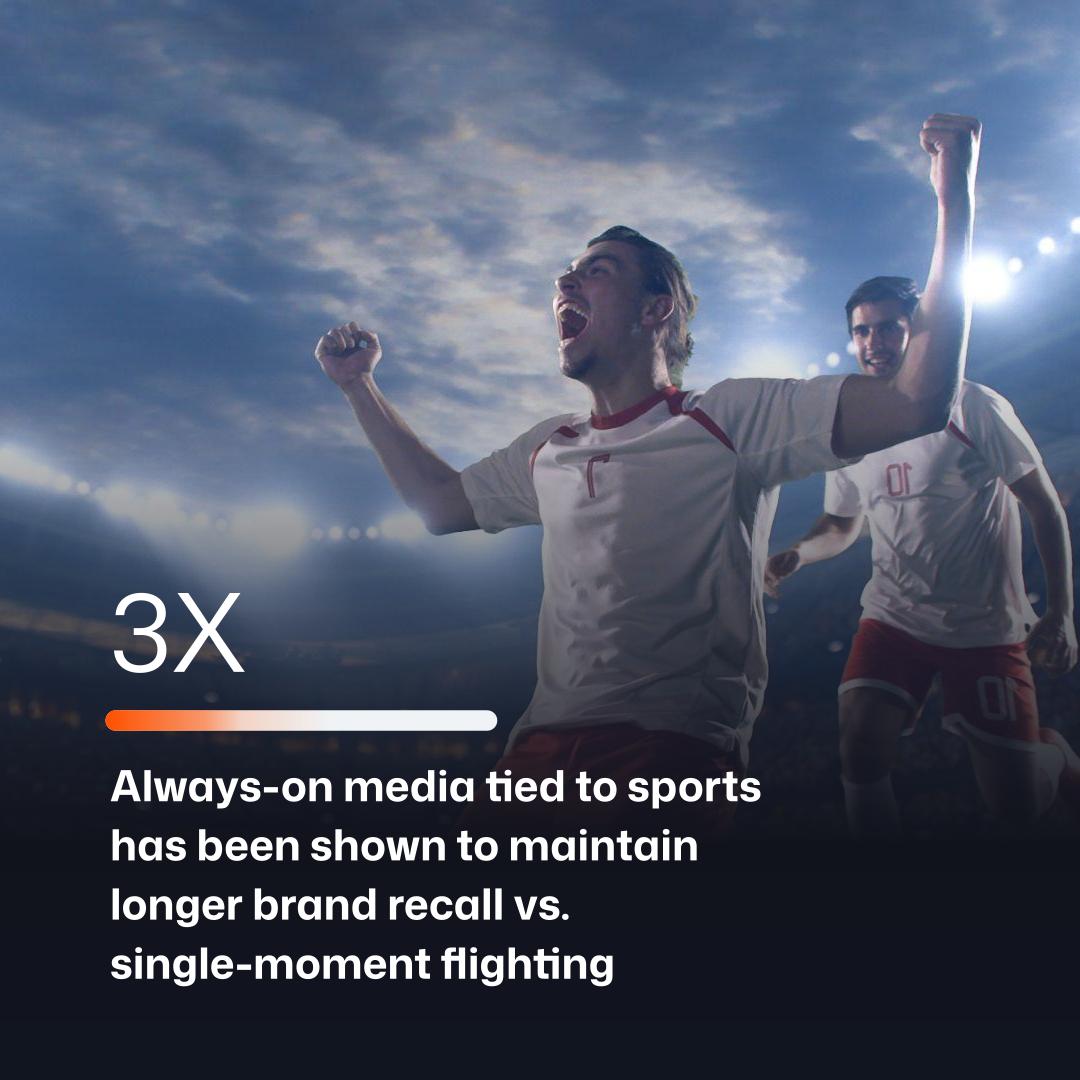
As brands gear up for a high-stakes year in sports, one metric is emerging as the ultimate measure of success: attention. In a world where fans are constantly juggling multiple screens, the brands that can capture and hold attention are the ones that stand out. Recent research shows that enhancements like live sports tickers can drive a 14% increase in viewer attention and a 19% lift in ad completion, proving that even small contextual touches can make a big impact.
The next era of sports advertising will reward brands that design for focus, blending creative innovation with contextual relevance to keep eyes on the action and minds of the message. Those who master the art of attention will not only win the moment, but also build deeper, long-lasting connections with fans.
Attention is no longer a vanity metric. It's a leading indicator of effectiveness, helping marketers quantify emotional resonance. Research continues to show that attention drives both brand recall and sales outcomes, making it a more meaningful KPI than impressions or viewability alone.
For sports advertisers, the opportunity extends beyond the game itself. It's about being always-on before, during, and after key moments. Creative that taps into the score, the tension, and the energy of the moment naturally captures greater fan attention and engagement.
The key to capturing attention lies in enhancing the fan experience, not interrupting it. Ads that align visually and emotionally with the content on screen through design, motion, or timing perform better because they feel organic.
Formats like countdown overlays, CTV Sports Tickers, and branded stat integrations have proven especially effective in environments. They work because they don’t pull fans away; they meet them in the moment.
Not all formats are created equal. Some of our recent research has shown that enhanced ad formats like sports tickers and countdowns can drive measurable lifts in both brand recall and comprehension. In recent years, enhanced creatives consistently outperform standard formats on KPIs, including attention, comprehension, CTR, and video completion rates.
These formats succeed by delivering informational or emotional value: the countdown to kickoff, upcoming games, and latest score updates, the subtle integration of brand messaging woven into moments fans already care about. They turn a passive impression into an active connection. For marketers, that’s attention well-earned and well-measured.
Traditional metrics like viewability and completion rates only tell part of the story. As sports viewership spreads across multiple platforms and devices, advertisers need new benchmarks that reflect the quality of engagement, not just quantity.
Blending emotional and behavioral signals enables marketers to move past surface metrics to understand not just who saw the creative, but who it truly resonated with. Attention metrics, measured through eye-tracking, dwell time, or contextual relevance, help marketers understand how a creative actually performs in real environments. When combined with outcome data, such as brand lift or conversions, they reveal what truly drives fan attention.
The result? Smarter media investment, stronger creative insight, and campaigns that connect performance to purpose.
The playbook for sports advertising in 2026 is simple but demanding: start early, stay consistent, and design for attention. Fans no longer engage in isolated moments; they interact all year, across screens, and in countless moments between games.
To keep up, marketers must connect long-term strategy with real-time execution. Context, creativity, and data aren’t separate tools; they’re the foundation of modern fan engagement. Because in today’s attention economy, the brands that play the long game don’t just show up on game day; they own the entire season.
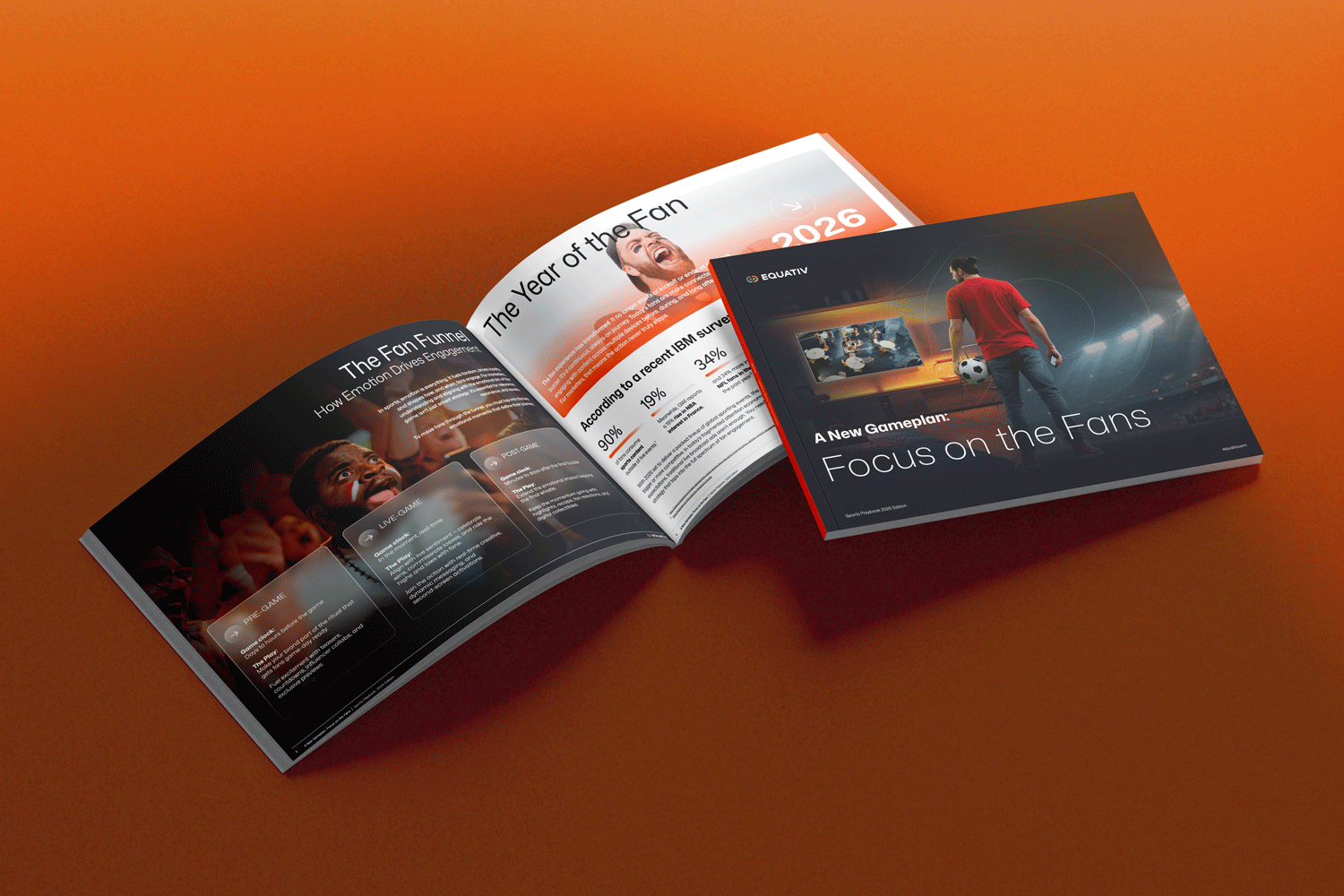
Own the Year of the Fan. Our 2026 Sports Playbook helps you build immersive strategies that truly resonate.
Summary
As Senior Director of Global Revenue Enablement at Equativ, Cassie drives the company’s enablement strategy across North America, Europe, LATAM, and APAC. She partners cross-functionally to equip sellers with the insights, content, and tools needed to accelerate growth. Combining strategic vision with operational efficiency, Cassandra aligns global teams through scalable frameworks, data-driven programs, and unified go-to-market resources that translate complex product capabilities into revenue impact.
The End-to-End Media Platform Powering Attention, Quality and Outcomes


